African Vibe
  • Home
  • Store
  • Contact
  • Information
  • Recipes
  • Useful links
  • Recent Posts
  • Reviews
  • more...
  • Log In
  • Cart (0)

South African Memes: Our Year on Instagram

27/3/2020

 
Picture
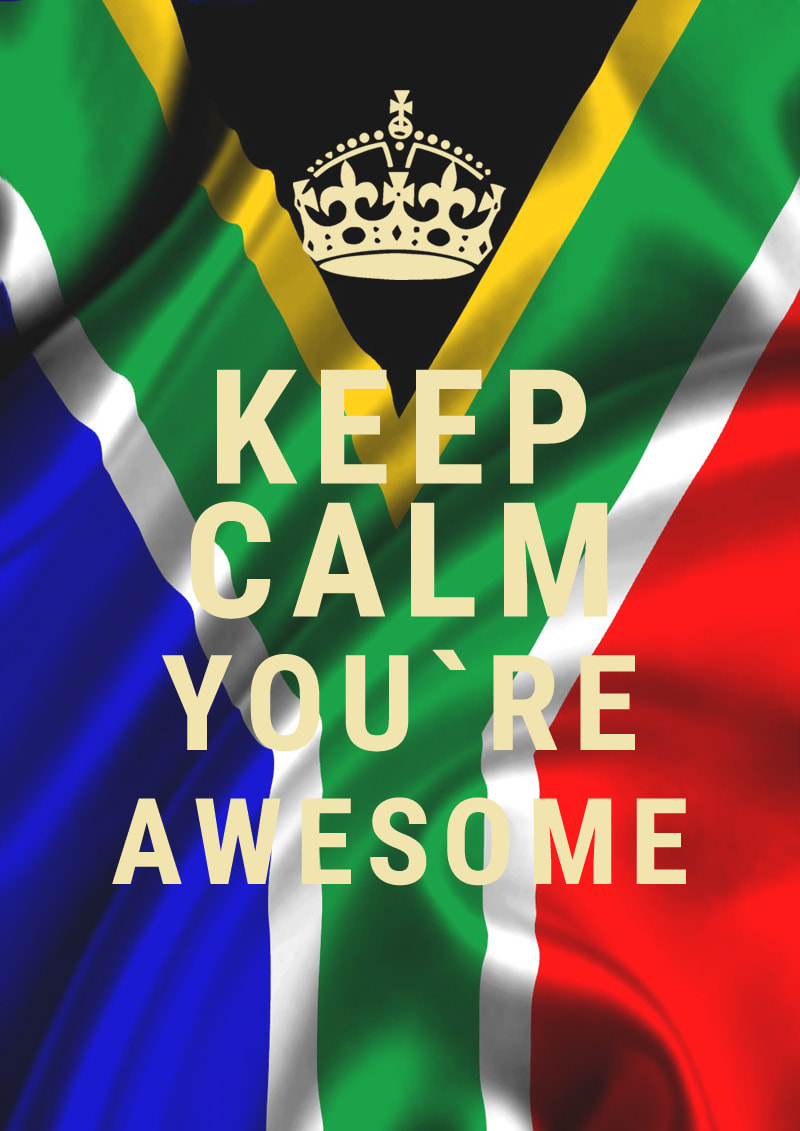
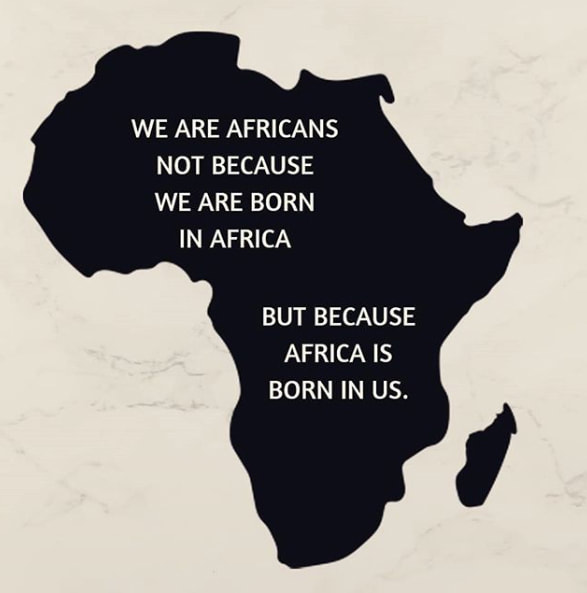
Our social media allows us to reach out and share all things South African with friends everywhere. Especially now, with the world in the grip of this Coronavirus pandemic, it is so important to keep the faith in humanity. South African memes: Our year on Instagram celebrates many of the best features of African culture and lifestyle. COVID19 may be threatening our status quo and loved ones but together we can overcome the greatest adversities. Africa is in our blood wherever we may find ourselves residing around the world. Let us celebrate this together!
Picture
The Taste of South African Culture is Still Available

The taste of our country and our culture is available in all the good things we have brought with us to distant shores like Sydney, Australia. It may be the biltong we chew to satiate our South African passions during rugby matches against old enemies like England and Australia. Then again, it might be the shared braai with friends and family. This virus may be temporarily curtailing such get togethers, because of social distancing policies, but we still have the good memories. Our South African memes live on in Instagram and we invite you all to refresh your memories by visiting us there.
Picture
We Celebrate What it is to Be a Saffer

What are the things that you remember most about your time in South Africa? Is it the sights and smells of Africa? The climate and the warmth of the people? The colours and the majesty of Africa’s animals? Can you taste the flavours of your time in the home of humanity? At African Vibe we celebrate what it is to be to be a Saffer. Think about the great taste of the best sausage in the world, the Boerewors. I can see the spiral shape of this delicious and iconic sausage in my mind’s eye, as we speak.
​
From all of us at African Vibe, we wish you and your family good health through this challenging time. Let us all keep our fortitude in place, as we face the rigours of this fight against the coronavirus pandemic. Do the right thing and stay at home as much as possible. Keep your family and loved ones safe. Eat well and remember the good things about who you are. Check out our South African memes: Our year on Instagram, to put a smile on your brave face.  ​​
South African Sausages: Why Boerewors Are The Best Sausages in Sydney

20/3/2020

 
The humble sausage is a culinary survivor. It has been around since Mesopotamia (3100 BCE) was one of the leading civilisations on planet earth. The Sumerians may have invented the sausage but there have been plenty of improvements along the way. In Australia, we have the prevalence of ‘sausage sizzles’ throughout our communities, which indicates the popularity of this food item. South African sausages: Why Boerewors are the best sausages in Sydney. This Afrikaans creation has become an important cornerstone of South African cuisine; and, now, has migrated across the globe to great acclaim.

Boerewors: The Farmer’s Sausage

The Boerewors is the farmer’s sausage and is based on a traditional Dutch sausage called verste wors. The Boerewors is traditionally made from coarsely minced beef, toasted coriander seeds, nutmeg, cloves, allspice and black pepper. It can, also, contain a mix of minced pork and/or lamb. The sausage ingredients are preserved via salt and vinegar. The iconic form of boerewors is a continuous spiral, which gives this sausage a symbolic universal quality. Perhaps, the spiral symbol is Celtic in nature. The spiral sausage may speak of the never-ending cycle of life.

Aussies Love Sausages & Boerewors is Best

If you have not tried the boerewors sausage, then, my advice is to rectify this situation. It may be the best sausage available in Sydney and right around Australia. The farmer’s sausage can tantalise the tastebuds of those who live Down Under. Surfers love the boerewors, as do sportsmen and women across the continent. Retirees love the South African sausage, as do workers in the west and on the east coast. You can get a garlic boerewors and Drywors – the coriander seed, dried South African sausage. Aussies love sausages and we will adore the boerewors, which may be the best sausage in town.
​
Boerewors can be made from a variety of meats but remember that the fat in sausage is where the flavour resides. A good sausage must have some tasty fat in it. In South Africa, they have boerewors made from springbok. Here in Australia, you can get boerewors made from kangaroo, which is sure to put some bounce in your step. Chilli boerewors is another spicy variation on this South African theme. The South African sausage can be aged for maximum gourmet satisfaction. Boerewors on the barbecue is a sure fire hit for any outdoor party. 

10 Great South African Writers

12/3/2020

 
Picture
So, what is the definitive South African perspective or voice?  Does being of South African origin imprint a distinctive stamp upon a writer? The multi-cultural nature of South Africa embraces (well, recently anyway) a number of different cultures within a melting pot. African tribal nations, the Boer identity, English, and Indian cultures are all present. The Zulu, Khoikhoi, San, Ndebele, Xhosa and Sotho cultures provide a rich African cultural choir of voices in this country. Choosing 10 great South African writers is no easy task with such an abundance of cultural perspectives to draw upon.

Nelson Mandela Long Walk to Freedom

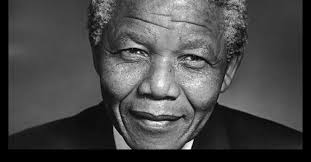
I place Nelson Mandela at the top of this list because as the iconic liberating leader he freed so many diverse voices in this nation. An Xhosa, Mandela was born into the Thembu royal family in 1918. He served 27 years in prison, which must make one more reflective than those who have not had this kind of restrictive experience. Mandela’s autobiography, Long Walk to Freedom, was published in 1994 and based on a manuscript written earlier in prison. This book won the Alan Paton Award and was a global success. I was personally inspired by the Mandela story and I am sure millions of people were similarly affected.

Powerful & Influential Writers Out of South Africa

JM Coetzee was awarded the 2003 Nobel Prize in literature and this South African born writer is a truly great novelist. His titles have twice won the Booker Prize and the Central News Agency Literary Award three times. Coetzee was born in Cape Town in 1940 and descends from Dutch immigrants to South Africa. His novels: Life & Times of Michael K and Disgrace, were powerful and influential books. Coetzee migrated to Adelaide, Australia and is a Professor of Literature at the University of Adelaide.

Nadine Gordimer (1923-2014) was a recipient of the Nobel Prize for literature in 1991. Her writing has been described as “epic” and “of very great benefit to humanity”. A South African woman, writer and political activist, whose books dealt with moral and racial issues.

Lewis Nkoski debuted in 1986 with his novel Mating Birds. Part of the Johannesburg set, Nkosi was known for his allegorical and analytical style.

Zakes Mda is an acclaimed South African writer and his work explores postcolonial notions of fractured identities within South Africa.

Breyten Breytenbach a white South African who was gaoled for high treason in his fight against apartheid. His novel The True Confessions of an Albino Terrorist employs an autobiographical approach to the material at hand.
​
As part of this 10 great South African writers article I would also recommend: Damon Galgut; Andre Brink and Ndebele.

Koeksisters: Heritage, Culture, Family & History

5/3/2020

 
Picture
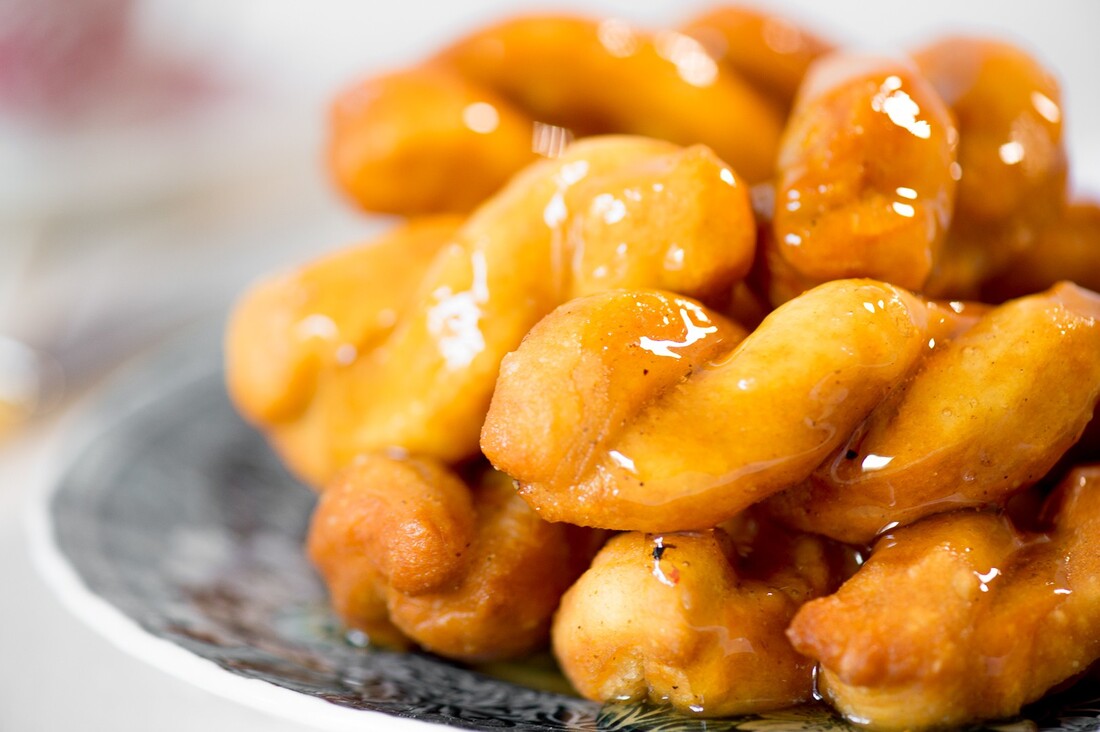
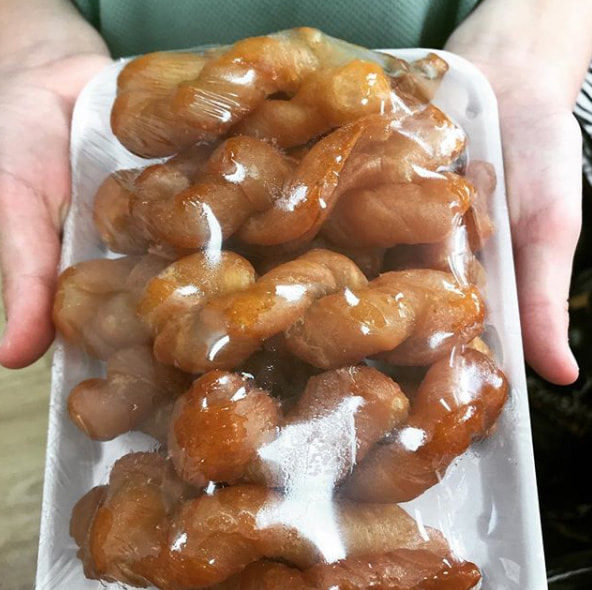
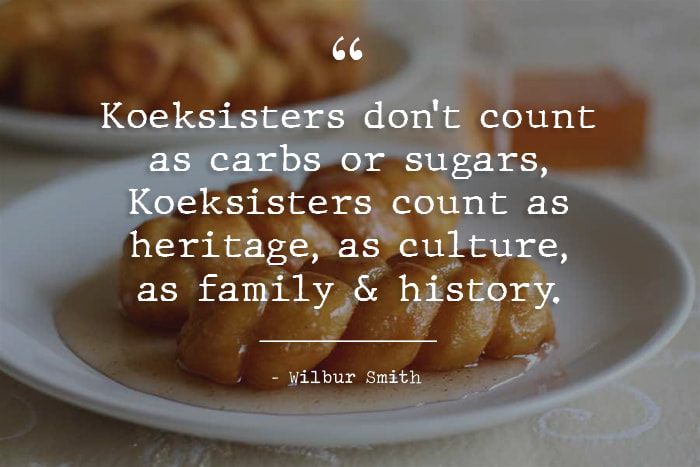
When is a doughnut not just a doughnut? A Koeksister is to Afrikaans much more than a sweet fried doughnut, it is, in the words of Wilbur Smith, “heritage…culture…family and history”. Traditional foods are greater than the sum of their parts, as they represent a direct link with all that has gone before. Koeksisters: Heritage, culture, family and history encased inside a delicious sweet treat. Indeed, a monument has been raised to the mighty koeksister in the Afrikaner community of Orania. The baking of these golden crunchy and syrup infused sweets has fuelled the building of churches and schools in South Africa.​
Picture
Inside the Koeksister Experience
 
Koeksisters are made with dough, sugar syrup or honey, aniseed, cinnamon and mixed spice. Plaited dough strips are fried in oil, before being plunged into ice-cold sugar syrup. To bite into a koeksister is an experience like no other. Imagine a delicious crunchy crust with a liquid syrup centre. Fabulous honey flavours assault your taste buds in a symphony of sensual surrender to the ultimate sweet treat. You will go gently into that sugary swoon and, perhaps, thank the heavens above for this sticky experience.
Picture
Every Afrikaner Oozes Sweetness
 
Some say that every South African can share a koeksister memory. You can scratch a Saffer and some of that sugar syrup will ooze out, as a result of having consumed so many koeksisters over a lifetime. Koeksisters are akin to some of the essential foods that you find in other cultures around the world. Comfort food for a culture and a big part of the heritage of the Afrikaners. The origins for this culinary cultural icon are attributed to two recipes brought to South Africa by Dutch settlers in 1652. These two recipes were for doughnuts and a sweet bowtie-shaped thingee made from pasta dough.
 
It is interesting how sweet treats like koeksisters, doughnuts, Krispy Kreme’s and the like are big performers in the fund-raising stakes for school-run and church-based projects across the globe. Give the kiddies and their families a spoon full of sugar and the purse strings will open in response, it seems. If you have not tried these South African doughnuts, then, you really have something to look forward to. Try a twisted koeksister with your next cup of coffee and get ready to swoon to the taste. The best koeksisters are hand-made and made with love.

Biltong, Braais & Boerewors: The Best of Beef in Sydney

27/2/2020


Picture
​Beginning with Boerewors, because I think it is best to start with sausage. A long sausage from South Africa, which embodies the Afrikaans/Dutch heritage. The name originates from the terms, ‘Boer’(farmer) and ‘Wors’(sausage). This beef sausage can contain some lamb and pork but must be made of 90% meat to qualify as a Boerewors. Spices are added with toasted coriander seed, black pepper, nutmeg, cloves and allspice. Biltong, Braais and Boerewors: The best of beef in Sydney can tantalise tastebuds and feed the man and woman meat. The long sausage is my favourite, but you may prefer the South African BBQ or the biltong chew experience.
 
Braais is Best for Beef
 
What is the distinctive difference in the Braai of beef on the BBQ? Forking the flesh is the first step in this distinctive approach to preparing the meat. You will need some pineapple juice, balsamic vinegar, seasonings, coriander and allspice. Once you have perforated the beef steaks (rump or fillet is best) with your fork, drip drops of pineapple juice and balsamic vinegar onto each steak. Then, rub in the spices and seasonings. Cover and set aside for 20 minutes. Lightly oil the steaks with olive oil prior to cooking over hot coals or briquettes. Cook your meat how you like it, in terms of rare, medium or well done.
 
Biltong the Beefy Intense Flavour
 
Biltong is dried and cured beef. The term ‘bil” means buttock in Dutch and ‘tong’ strip. This began as a method for preserving game meat, prior to the advent of refrigeration. South Africa has a hot climate and preserving flesh was of vital importance for its inhabitants. The Voortrekkers who travelled away from British rule into the interior of South Africa utilised Biltong to survive their journeys. Thus, biltong has a strong cultural association for Afrikaners. It has become a world-wide hit in recent times, with people everywhere enjoying the beefy intense flavour.
 
Biltong, Braais and Boerewors: The best of beef in Sydney is now more widely available. The harbour city boasts some great outlets for this distinctive healthy snack. Some say it is the traditional South African spices that make this such a yummy treat. Others claim that it is the quality of the Aussie beef. This 50% protein hit contains only 3% fat. You can, even, get kangaroo biltong and a range of beef biltong to suit your taste buds. If you haven’t tried it yet, do yourself a favour and get into it.


Quirky Guide to Durban: Off The Beaten Track

25/2/2020

 
Picture
Durban is all about good times, water sports, wildlife adventures and beautiful beaches in South Africa. This is a charming tropical paradise full of attractions and activities to tip your bucket list in its direction. Imagine yourself on these relaxing golden beaches, enjoying the good life in style. Then, jumping into shark cage diving, the Big Rush Swing, and panoramic helicopter rides over the coast and city. Adrenalin pumping opportunities coexist with some delightful wind-down activities like eating and drinking in exotic locations. This quirky guide to Durban: Off the beaten track is designed to point you in the right direction for fun and brilliant times.

Durban Markets for Food & Crafts

Drink your fill in the Khangela Brewery, where beer is the perfect antidote for this warm tropical climate. Durban, also, hosts some amazing food and craft markets. Check out the Shongweni Farmers Market, where you will find delicious dishes, vibrant local art, antiques, great coffee and a lively atmosphere. Other groovy markets are: I Heart Market, Roof Top Night Market, Smarket, and The Morning Trade.  Grab a bargain and all those pressies for the folks back at home. Durban has an array of stylish shopping malls to visit for those wanting to shop in style and comfort.

Nature & Game Reserves in Durban

The nature and game reserves are one of South Africa’s most exciting features. These open-air trails and tours will inspire and enchant in equal measure. The Umhlanga Nature Reserve, Beachwood Mangrove Nature Reserve, Tala Collection Private Game Reserve, and the many Safari Tours are quintessentially Africa. All up, there are around 14 different reserves to choose from near Durban. The flora and fauna on display will put you in touch with this part of South Africa. Zebras, impala, monkeys, mongoose, moles, giant musk, bushbuck and more than 200 species of avian life, will delight your senses.

There are plenty of family orientated things to do in Durban as well. You can enjoy mini golf, ice skating, paintball, action carting and more with your kids in Durban. Check out Ushaka Marine World and the Groove World Adventure Park to really enthuse your young ones. The KZN Shark Board is the place to go for gore, guts and bloody shark's teeth. Here you will see sharks on the chopping block, as part of their educational presentations and research tours. You will learn to appreciate the local marine life and understand the need for conservation. 

Cape Town Bucket List: Ten Of the Best Things To Do

11/2/2020

 
Picture
​Sometimes I feel like the sawmill operator trying to count off my bucket list on a fist with few fingers left, basically running out of options. If you can relate to this state of affairs, here is my Cape Town bucket list: ten of the best things to do whilst still on planet earth. South Africa is a stunningly beautiful land, full of vibrant locals and awesome things to do.

1. Eat the food and get the flavours and textures of the local culture inside you. Nothing transports you faster into a Cape Town kind of feeling than tasting its unique multi-cultural cuisine. Get into Cape Dutch, Indian, French and British dishes. African game meat can have you snacking on zebra and springbok, among other wild game options. Bunnychow is a classic Gujarati in South Africa fast-food like no other on the planet. Curry inside a loaf of bread, which is oozing with spicy flavours. Plus, you can get great fish and chips at the Cape.

2. Kayaking with whales will take you out of your comfort zone and into the serene blue sea, surrounded by aquatic life. See otters, dolphins, penguins, sunfish, Cape fur seals and amazing jellyfish. Breathe it all in and feel alive!

3. Get the helicopter ride of your life over and around Cape Town. These fantastic, next generation, airships provide in-flight guided tours of the city and its features. Imagine flying over Robben Island, where they kept Nelson Mandela incarcerated for decades. You will be amazed at the beauty of this city and surrounds.

4. Wine tasting is a way to imbibe the soul of the landscape. There are more than 2000 vineyards in the Western Cape. They make some sensational wines and are ready and waiting for you. There are wine tours galore to choose from and multiple ways to arrive at the estates of your choice. You can fly there or drive there.

5. Cook up a storm with a Malay cooking course, where you can discover the delicious spices of Cape Malay cuisine.

6. How about a kaleidoscope of contemporary African Art on display at Zeits MOCAA Museum – the world’s largest collection of this type of Art.

7. Explore local Cape Town caves located around the place. The Stadsaal Caves at Cederberg contain Khoisan rock art. Seaside caves at Arniston will blow you away with their rugged beauty. Lion’s Head and Watchman’s Cave is another visual feast for the eye.

8. Spend a day in one of the many nature reserves around Cape Town. The wildlife will knock your spots off and stripe you with real pleasure.

9. Float your boat at Langebaan. Enjoy life on a houseboat in this West Coast National Park. A wonderful way to relax.

10. Visit the Kirstenbosch Botanical Gardens and experience the treetop canopy walkway.

African Painted Dogs: Conservation Urgently Required

11/2/2020

 
Picture
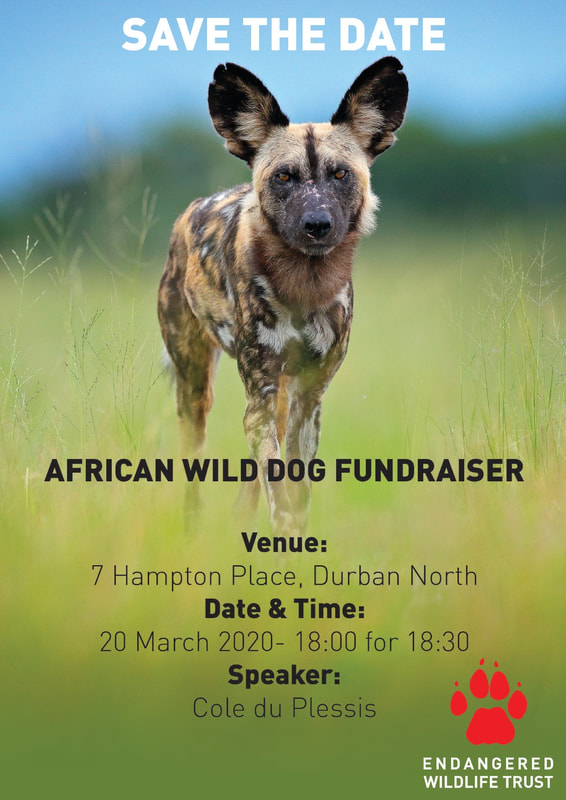
Conserving predators in the wild is always a much harder sell than engaging the public to help preserve cute looking animals. The African Wild Dog (Lycaon pictus) is firmly on the endangered list and needs our assistance to survive into the 21C. The evocatively named, African Painted Dogs: conservation urgently required - and we are calling upon all the smart marketing possible to get folks to care about their fate.  Helping animals that kill other animals is never easy, as human beings prefer to be the only animal on that particular Alpha list. We do not like wildness per se, especially those of us who live in the vicinity of wild predators. 

Saving the African Wild Dog

Wolves are the ancestors of domesticated dogs and provide the perfect polarity between our hatred/fear and love/friendship to animals such as these. African wild dogs share a much earlier ancestor with wolves and dogs. Farmers and herders have traditionally exterminated wolves and wild dogs to protect their livestock.  Of course, the majority of people, now, live in big cities and wild dogs are not a realistic concern for them. City dwellers can intellectually appreciate the beauty of killers from a distance, unlike those who make their living from the land. Historically, we have wiped out wild things from this planet (just ask indigenous peoples like American Indians and tribal Aboriginals). A few enclaves exist in tiny corners, here and there, where wild animals remain endangered. The oceans offer more opportunity for wildness but face their own unique challenges as well. Can nearly 8 billion people make room for wild things like African painted dogs in the 21C?

 East African Origins for Wild Dogs & Us

Homo sapiens, that is us, originated from East Africa according to available archaeological evidence. We share a homeland with the East African wild dog, a noted subspecies recognised by the Mammal Species of the World. Perhaps on this basis alone, we should reach out a helping hand to a fellow traveller on the evolutionary road. Recent estimates place the population at less than 7 000 adults in the wild. The Endangered Wildlife Trust (EWT) has a Painted Wolves of Waterberg conservation project to help save these endangered dogs. Many people around the world are gripped by the very real fear that species like these will be completely wiped out. Extinction is just around the corner for the African Painted Dog. 

Wildlife biologist Cole du Plessis is one individual doing his utmost to prevent the demise of the African wild dog. Conservationist Cole has a master’s in science specialising in Protected Area Management and has produced Part of the Pack – a documentary about the plight of African Painted Dogs in the wild. Check it out to see what you can do to help.

South Africans Making Us Proud in 2020 Already

11/2/2020

 
Picture
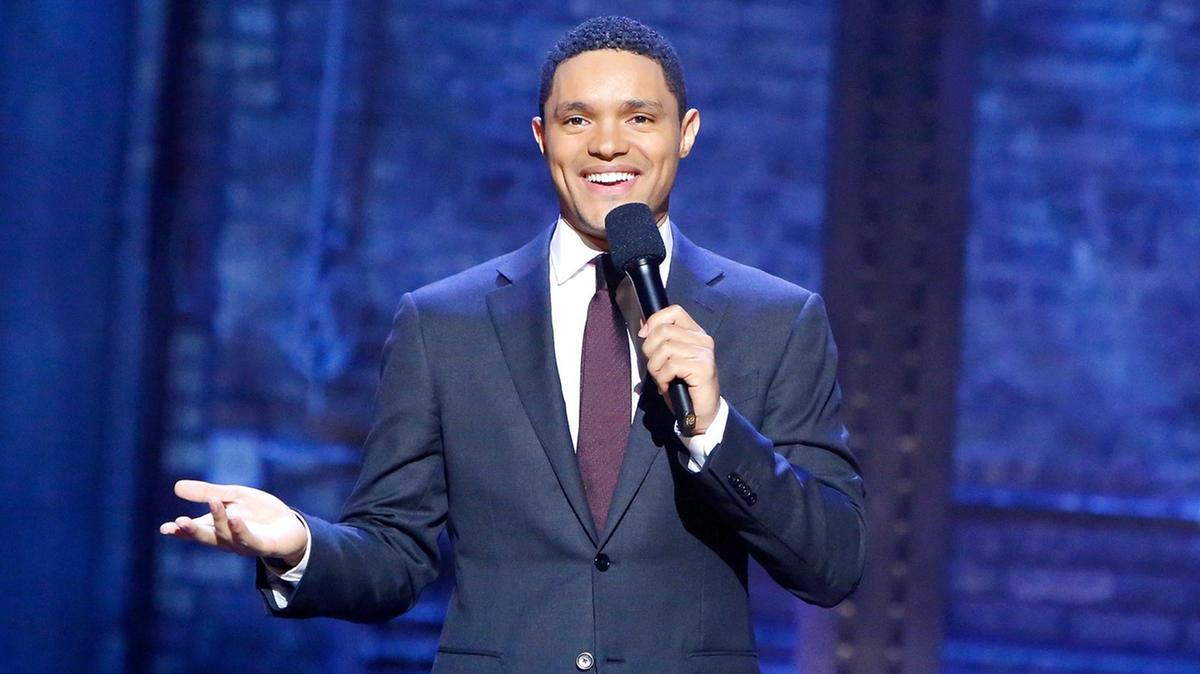
Trevor Noah

One cannot mention famous South Africans without joyfully celebrating Trevor Noah. Arguably one of the finest South African comedians of his era, Trevor is a political satirist, standup comedian, writer and TV host at Comedy Central. He was born and raised in Johannesburg to a Xhosa mother and a Swiss dad. He started his career in 2002 in SABC during which he gained a wealth of experience, and is now continually performing a stack of global-reach stand-up comedy features and shows. He also has an autobiography, Born a Crime: Stories from a South African Childhood, published in 2016 which got on the New York Bestsellers List within a short period. He has a massive following on social media, for example Instagram followers now over five million. Here's a typical Trevor Noah night: "To say tonight was a dream come true is an understatement. We helped raise over 3 million dollars to help spur education in Africa. We set a world record for the highest attendance for a tennis match and I got to play tennis with two of the greatest players of all time whilst also sharing the court with my friend and one of the greatest minds of all time. And all of this happened in my home country, South Africa. Thank you Roger, Rafa, Bill and every single person who supported this great cause. I have lived one thousand dreams in one night!".

Marnus Labuschagne

In August 2019, Marnus Labuschagne was the first cricketer to become a concussion substitute in a Test match, replacing Steve Smith. Immediately and remarkably, Labuschagne became the leading run-scorer in Test matches in 2019. He rose to fourth place in the ICC Player Rankings during the year, a rise of 106 places.[4] In January 2020, Labuschagne was named as the Emerging Cricketer of the Year by the International Cricket Council (ICC). Labuschagne was born in Klerksdorp, in South Africa's North West province, to South African parents. His family emigrated to Australia in 2004 when he was 10, after his father gained work in the mining industry, and Labuschagne attended school at Brisbane State High School. He grew up speaking Afrikaans, and only became fluent in English after moving to Australia.

Elon Musk

Engineer, business magnate, investor, and philanthropist Elon Musk was born and raised in Pretoria, South Africa, Musk attended Waterkloof House Preparatory School and Bryanston High School[41] before graduating from Pretoria Boys High School. Musk briefly attended the University of Pretoria before moving to Canada when he was 17 to attend Queen's University. Musk is is the founder, CEO and chief engineer/designer of SpaceX;[5] co-founder, CEO and product architect of Tesla, Inc.;[6][7] founder of The Boring Company;[8] co-founder of Neuralink; and co-founder and initial co-chairman of OpenAI.[9] He was elected a Fellow of the Royal Society (FRS) in 2018.[10][11] In December 2016, he was ranked 21st on the Forbes list of The World's Most Powerful People,[12] and was ranked joint first on the Forbes list of the Most Innovative Leaders of 2019.[13] He has a net worth of $38.2 billion and is listed by Forbes as the 23rd-richest person in the world.[1] He is the longest tenured CEO of any automotive manufacturer globally.

Zakes Mda

Many have commentated on the disparity between author JM Coetzee and the equally acclaimed Zakes Mda — The New York Times’ Rob Nixon writes that they ‘could be writing about different countries’. Mda’s style revolves chiefly around exterior influences and is panoramic and Dickensian in its descriptions of society. A global nomad, he was born in South Africa, grew up in Lesotho, has lived in America and returned to his homeland. His work discusses the postcolonial concern of fractured identity and the notion of the outsider. He has been praised for his comedic flourishes that give life and energy to difficult subject matters.

Neil Wagner

Continuing the exasperating tradition of high quality South African cricketers having stellar careers playing for other countries, Neil Wagner has bobbed up as the New Zealand cricket team’s key player. He has an astonishing knack of picking up wickets when nothing else is going, and in recent seasons has been arguably more valuable to the Black Caps’ team cause than more fashionable thoroughbreds like Tim Southee and Trent Boult. He’s currently ranked ninth best bowler in the world, just behind Boult in fact. In late 2019 he became the second-fastest New Zealander to take 200 Test wickets, behind only Black Caps legend Sir Richard Hadlee. Wagner fittingly claimed the wicket of Steve Smith to reach the milestone, which came in his 46th Test (86th innings), putting him in the top 20 fastest worldwide.

Laduma Ngxokolo

Laduma Ngxokolo is a South African textile and knitwear designer, best known for his men's knitwear range inspired by traditional Xhosa beadwork. Born in Port Elizabeth in 1986, Laduma Ngxokolo had his first hands-on experience of textile designing in 2003 when he studied at Lawson Brown High School.

Ngxokolo’s flair for knitwear design earned him a bursary from both Cape Wools South Africa and Mohair South Africa during his Btech studies at Nelson Mandela Metropolitan University in 2010. The same year Ngxokolo won the South African national leg of the South African Society of Dyers and Colourists (SDC) Design Competition, which earned him a trip to London where he was awarded first prize internationally for the competition. The title of his competition entry was “The Colourful World of the Xhosa Culture” that consisted of men’s knitwear that is inspired by traditional Xhosa beadwork. Ngxokolo has received numerous achievements and captured the hearts of many fashion lovers and media from South Africa, London, Paris, Amsterdam, Oslo, Berlin and New York. Ngxokolo won the 2015 Vogue Italia Scouting for Africa prize to showcase his collections at the Palazzo Morando Show in Milan, Italy. His project Safer Xhosa Circumcision is a hygienic and safe medical kit, designed to confront health concerns of the traditional rituals around male circumcision.

Charlize Theron

The Charlize Theron Africa Outreach Project (CTAOP) was created in 2007 by Theron, who the following year was named a UN Messenger of Peace, in an effort to support African youth in the fight against HIV/AIDS. CTAOP's mission is to help keep African youth safe from HIV/AIDS. The project is committed to supporting community-engaged organizations that address the key drivers of the disease. Although the geographic scope of CTAOP is Sub-Saharan Africa, the primary concentration has mostly been Charlize's home country of South Africa. CTAOP's approach is based on the belief that community-based organizations on the ground understand the social and structural relationships of their communities better than anyone. By supporting these organizations through grant giving, networking, and spotlighting their work, CTAOP enables communities to mobilize and empower themselves to prevent HIV.[90] By November 2017, CTAOP had raised more than $6.3 million to support African organizations working on the ground. In 2008, Theron was named a United Nations Messenger of Peace.[92] In his citation, Ban Ki-Moon said of Theron "You have consistently dedicated yourself to improving the lives of women and children in South Africa, and to preventing and stopping violence against women and girls".[93] She recorded a public service announcement in 2014 as part of their Stop Rape Now program.

Porky Hefer

Porky Hefer spent 16 years in advertising, during which time he worked as a Creative Director in Cape Town and New York agencies, and became one of South Africa’s most awarded creatives. Realising the higher he climbed, the less he personally created, in 2007 he left advertising to start up a creative consultancy, Animal Farm. Four years later he founded Porky Hefer Design. Hefer focuses on conceptual precepts, which manifest in three dimensional forms in a variety of executions, from public sculpture to product and furniture design. Intrigued by the reactions and energy a piece can generate, he embraces Africa and the skills that are readily available indigenously, rather than trying to emulate foreign processes. Hefer sees beauty in the functional, the ordinary and discarded. He regularly challenges our relationships with everyday objects, inspiring us to look again.

Jan Hendrik van der Westhuizen

South African chefs are highly talented in culinary skills and hold their own among global talent. South Africa's first Michelin-star chef, published author, artist and passionate photographer, Jan Hendrik van der Westhuizen's understanding of the world was forged in the kitchens of his mother and grandmothers. From kneading dough in the farmhouse kitchen of his childhood in Mpumalanga, South Africa to running his own restaurant in Nice, France, Jan-Hendrik's journey has taken many unexpected turns. Chef Jan offers the French his take on favourite foods from South Africa, including biltong, mos bolletjies and other traditional South African dishes. Today, Jan-Hendrik spends his time between the South of France and South Africa, plying his trade as a chef, creative and photographer. His main focus, however, is Jan, his restaurant in Nice, which received a highly coveted Michelin star in both 2016 and 2017.

10  Bucket List Places in Southern Africa You Must Visit Before You Die

22/1/2020

 
Picture
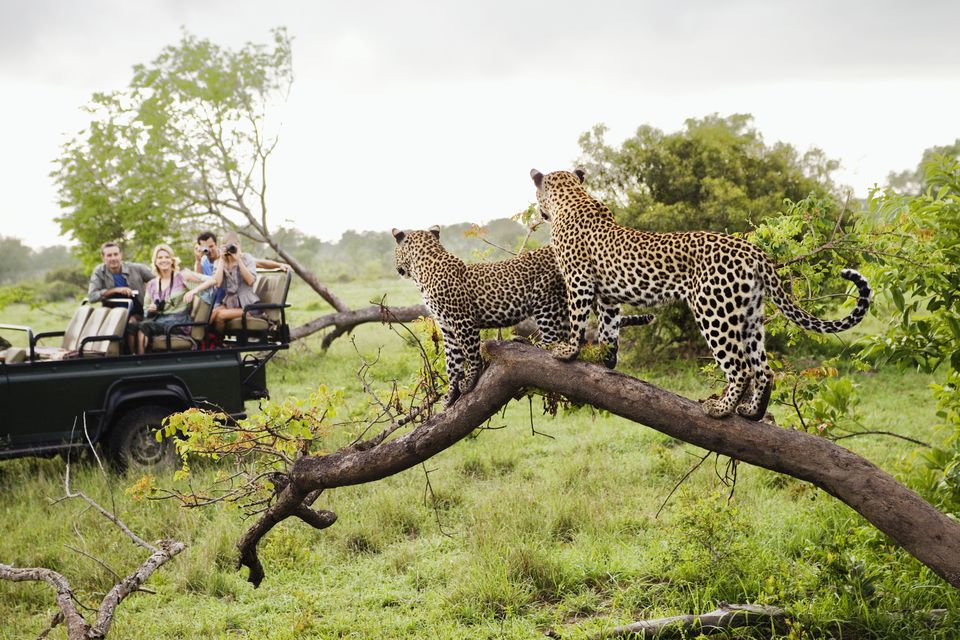
Kruger National Park

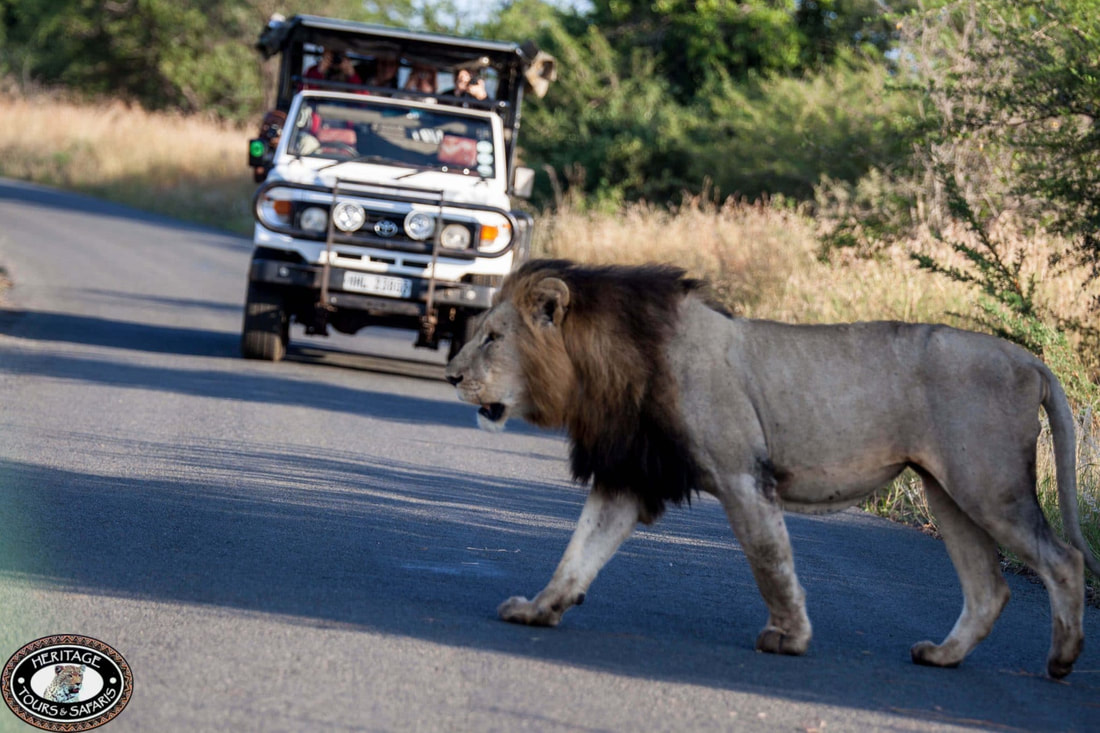
Kruger National Park, in northeastern South Africa, is one of Africa’s largest game reserves. Its high density of wild animals includes the Big 5: lions, leopards, rhinos, elephants and buffalos. Hundreds of other mammals make their home here, as do diverse bird species such as vultures, eagles and storks. Mountains, bush plains and tropical forests are all part of the landscape.

Picture
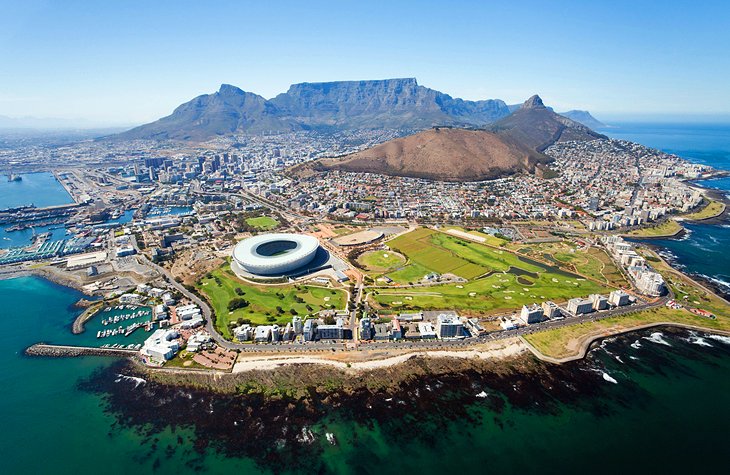
​Cape Town

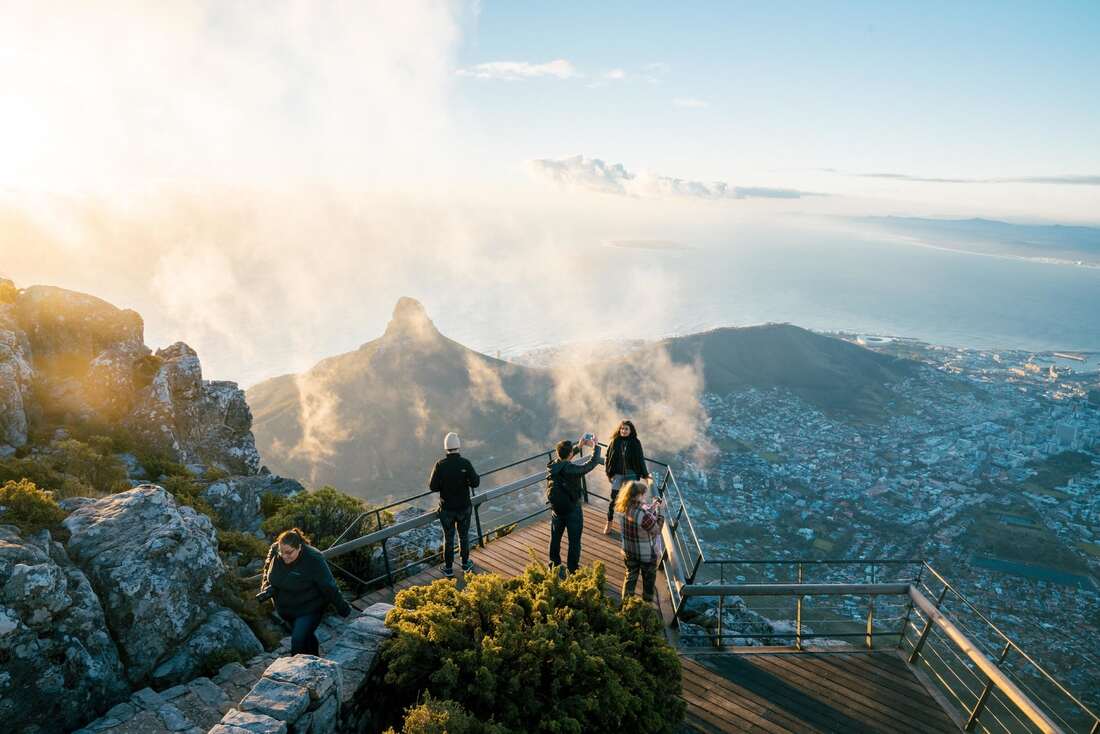
Cape Town is a port city on South Africa’s southwest coast, on a peninsula beneath the imposing Table Mountain. Slowly rotating cable cars climb to the mountain’s flat top, from which there are sweeping views of the city, the busy harbour and boats heading for Robben Island, the notorious prison that once held Nelson Mandela which is now a living museum, and is the town where the Afrikaans delicacy koeksisters were created.
Picture
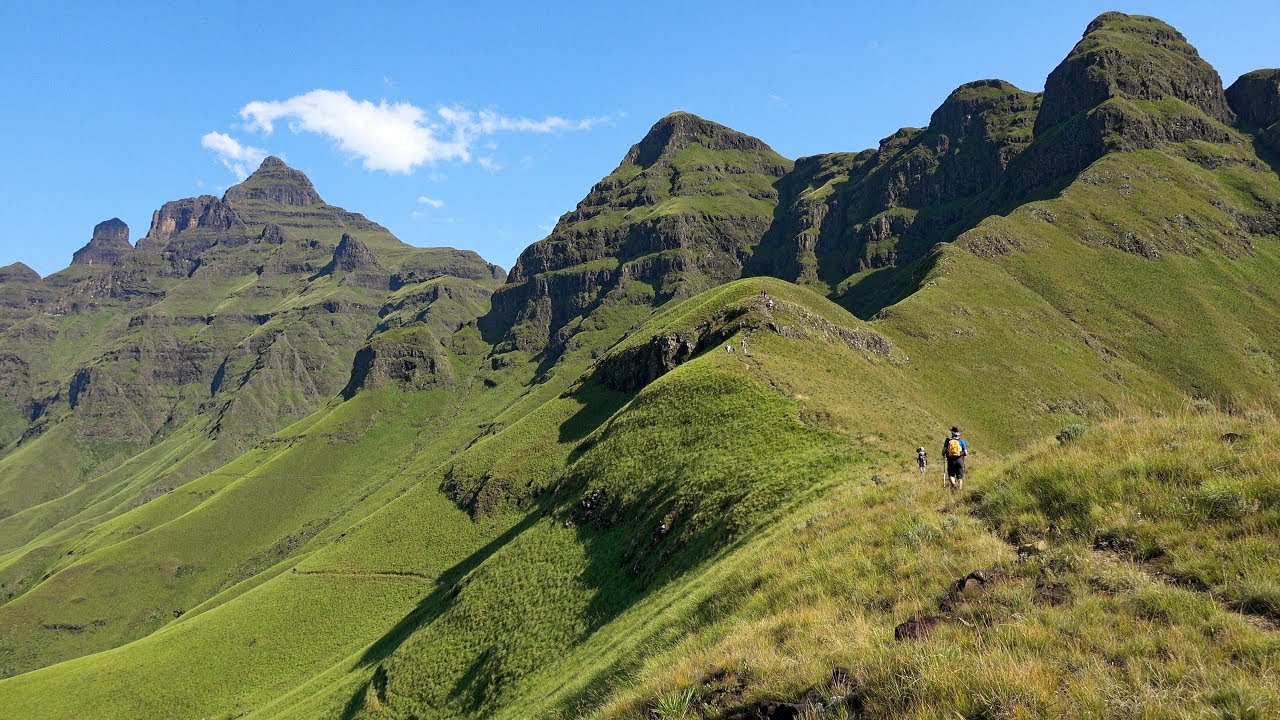
​Drakensberg Mountains

The Drakensberg is the name given to the eastern portion of the Great Escarpment, which encloses the central Southern African plateau. The Great Escarpment reaches its greatest elevation in this region – 2,000 to 3,482 metres. It is located within the borders of South Africa and Lesotho.
Picture
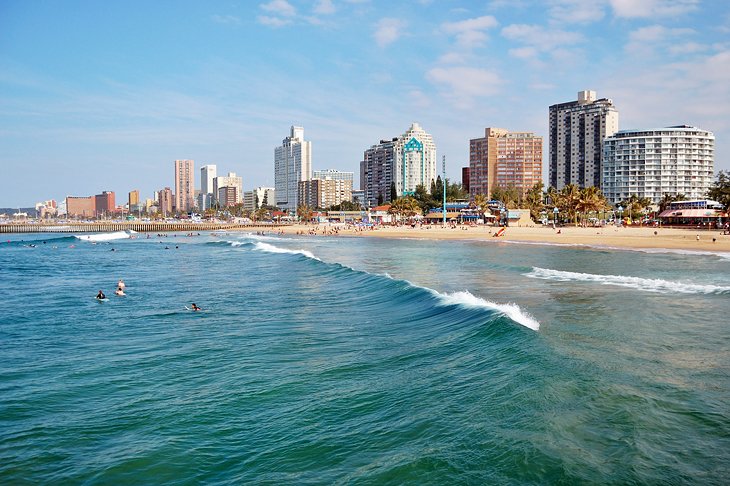
​Durban

Durban, a coastal city in eastern South Africa’s KwaZulu-Natal province, is known for its African, Indian and colonial influences. Refurbished for soccer’s 2010 World Cup, the seafront promenade runs from uShaka Marine World, a huge theme park with an aquarium, to the futuristic Moses Mabhida Stadium. Reputed city where Bunnychow was invented. The Durban Botanical Gardens showcases African plant species.
Picture
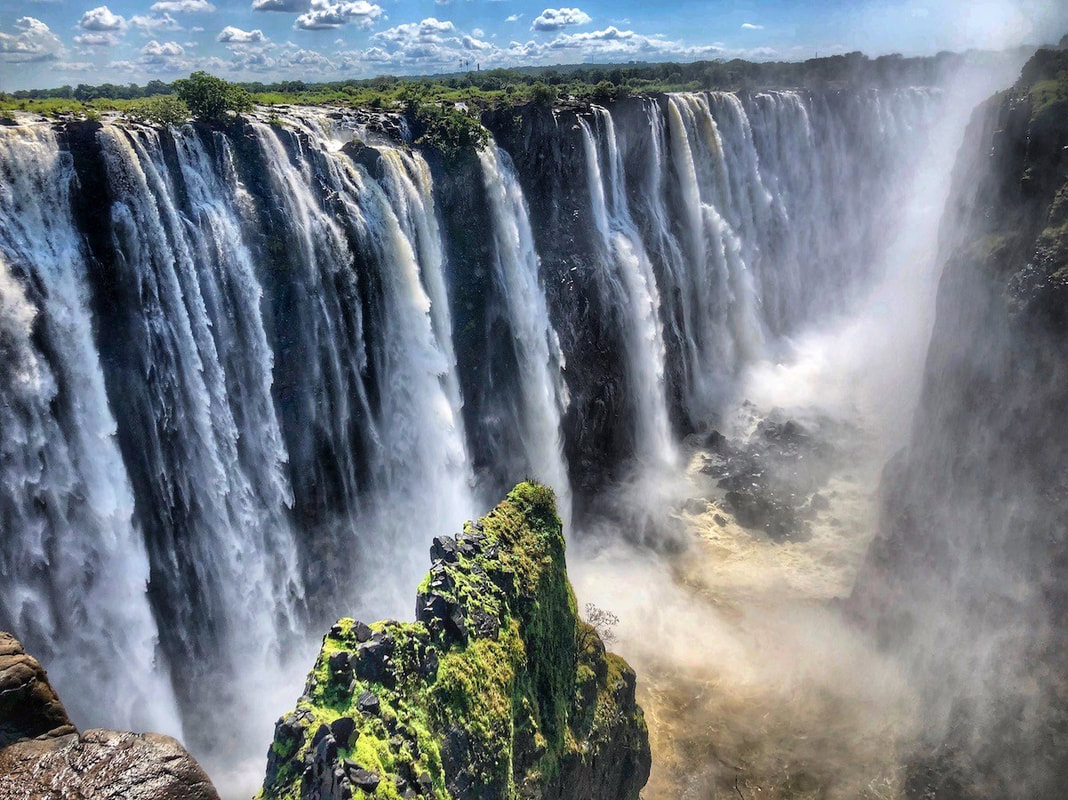
Victoria Falls

Victoria Falls is a waterfall in southern Africa on the Zambezi River at the border between Zambia and Zimbabwe. Victoria Falls, 1708m wide, is the largest curtain of water in the world.
Picture
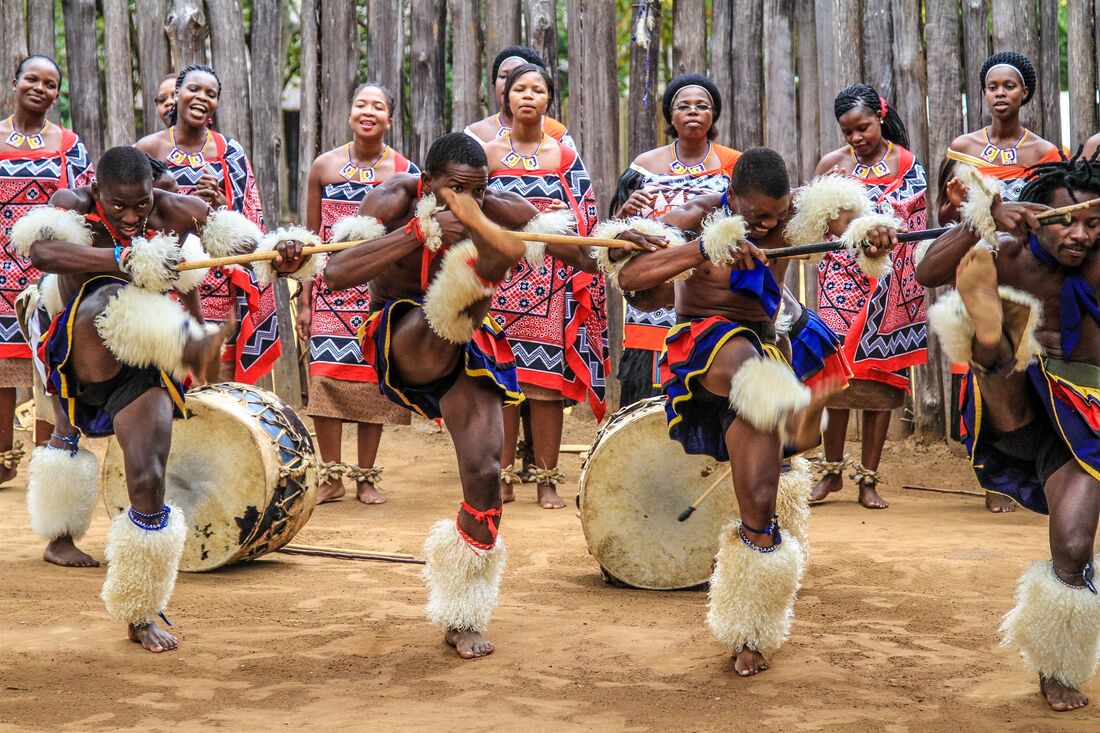
Swaziland

Swaziland, a small, landlocked monarchy in southern Africa, is known for its wilderness reserves and festivals showcasing traditional Swazi culture. Marking its northeastern border with Mozambique and stretching down to South Africa, the Lebombo Mountains are a backdrop for Mlawula Nature Reserve’s many hiking trails. Nearby Hlane Royal National Park is home to diverse wildlife including lions, hippos and elephants.
Picture
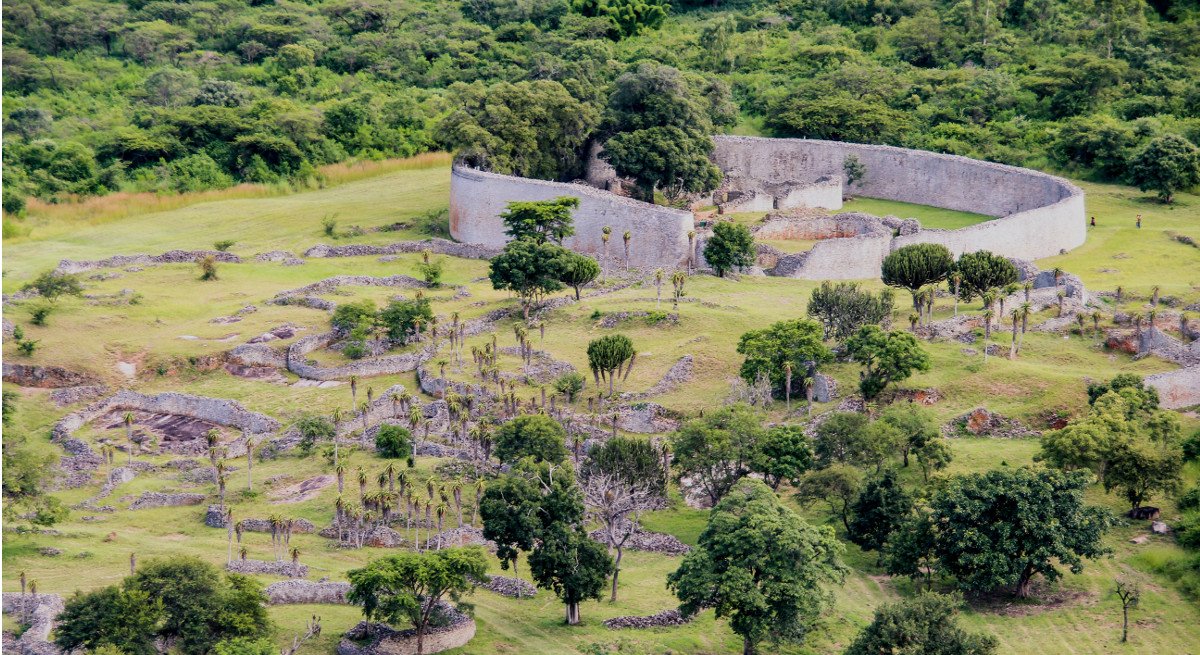
Great Zimbabwe Ruins

Great Zimbabwe is a ruined city in the south-eastern hills of Zimbabwe near Lake Mutirikwe and the town of Masvingo. It was the capital of the Kingdom of Zimbabwe during the country's Late Iron Age. Construction on the city began in the 11th century and continued until it was abandoned in the 15th century.
Picture
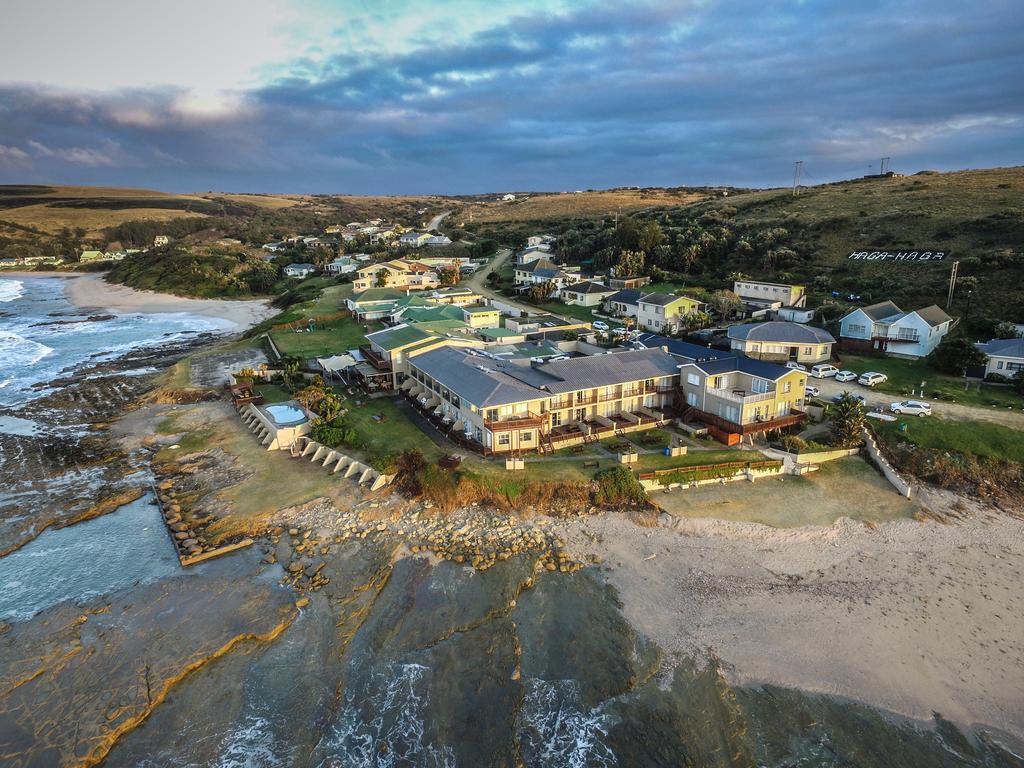
Haga Haga in the Eastern Cape

Haga Haga is a hamlet on the Eastern Cape Wild Coast of South Africa, 60 km east of East London. The village has been declared a conservancy owing to a number of rare indigenous species found in the area, such as the Cape clawless otter and the blue duiker.
​
Picture
Soweto

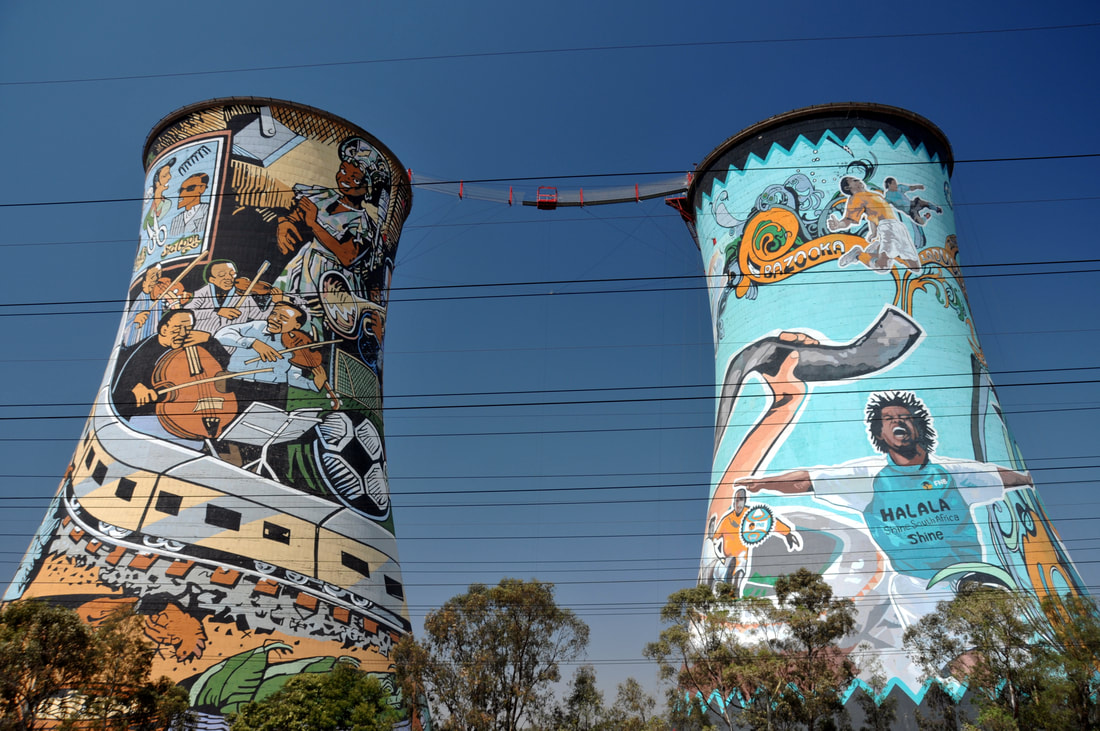
Soweto is a township of the City of Johannesburg Metropolitan Municipality in Gauteng, South Africa, bordering the city's mining belt in the south. Its name is an English syllabic abbreviation for South Western Townships.
​
Picture
Hartbeespoort Dam

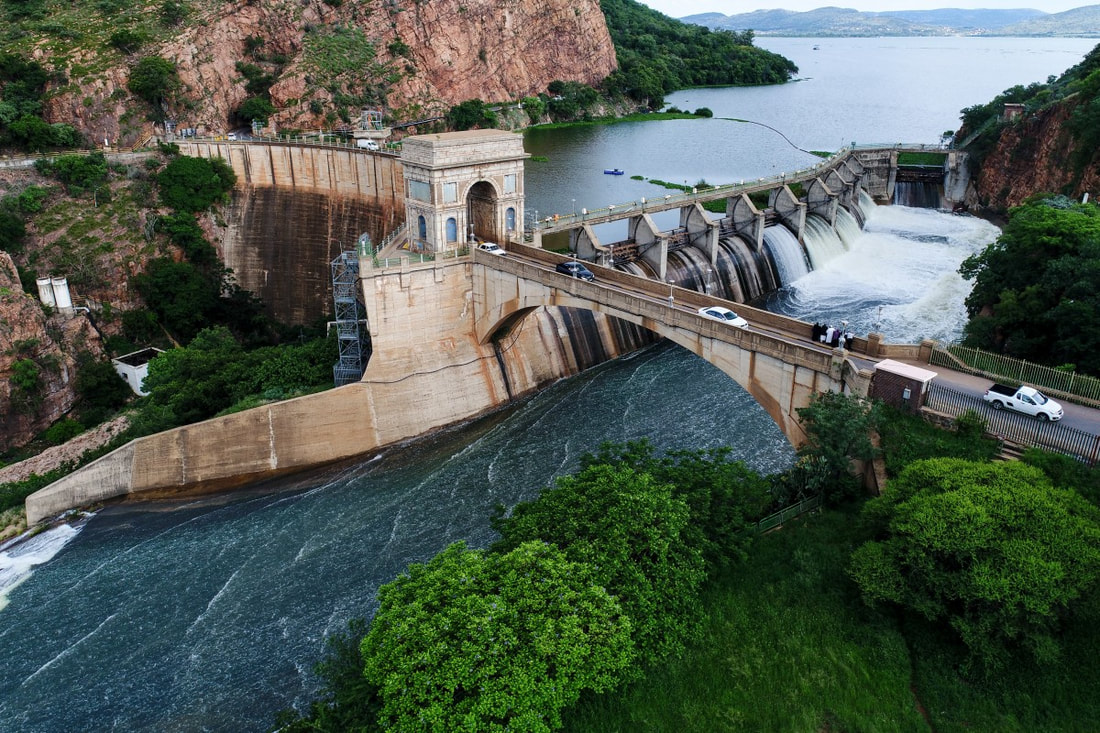
Hartbeespoort Dam is an arch type dam situated in the North West Province of South Africa. It lies in a valley to the south of the Magaliesberg mountain range and north of the Witwatersberg mountain range, about 35 kilometres north west of Johannesburg and 20 kilometres west of Pretoria.
Forward>>

    Author

    Robert Hamilton was born in Vereeniging & attended Springs Boys High School in the 1970s. Now a resident of Mona Vale, North of Sydney, his hobbies include golf, biltong-consumption, tennis and cooking South African cuisine.

    Archives

    August 2020
    July 2020
    June 2020
    May 2020
    April 2020
    March 2020
    February 2020
    January 2020

    Categories

    All

    RSS Feed

Home

Store

Contact

Information

​South African Recipes

Service Area

African Vibe © 2024. All rights reserved. All prices in AUD
Payment methods
Payment methods
  • Home
  • Store
    • Biltong
    • Boerewors
    • Drywors
    • Snapsticks
    • Confectionary
    • Rusks, Biscuits, Tarts
    • Drinks, Juices, Cordials, Rooibos
    • SA Delicatessen
    • Miscellaneous
  • Contact
  • Information
    • Biltong vs Beef Jerky
    • Orders, Payment, Delivery
    • Terms and Conditions
  • Recipes
  • Useful links
  • Recent Posts
  • Reviews